Mold Removal in Valley Ranch, TX
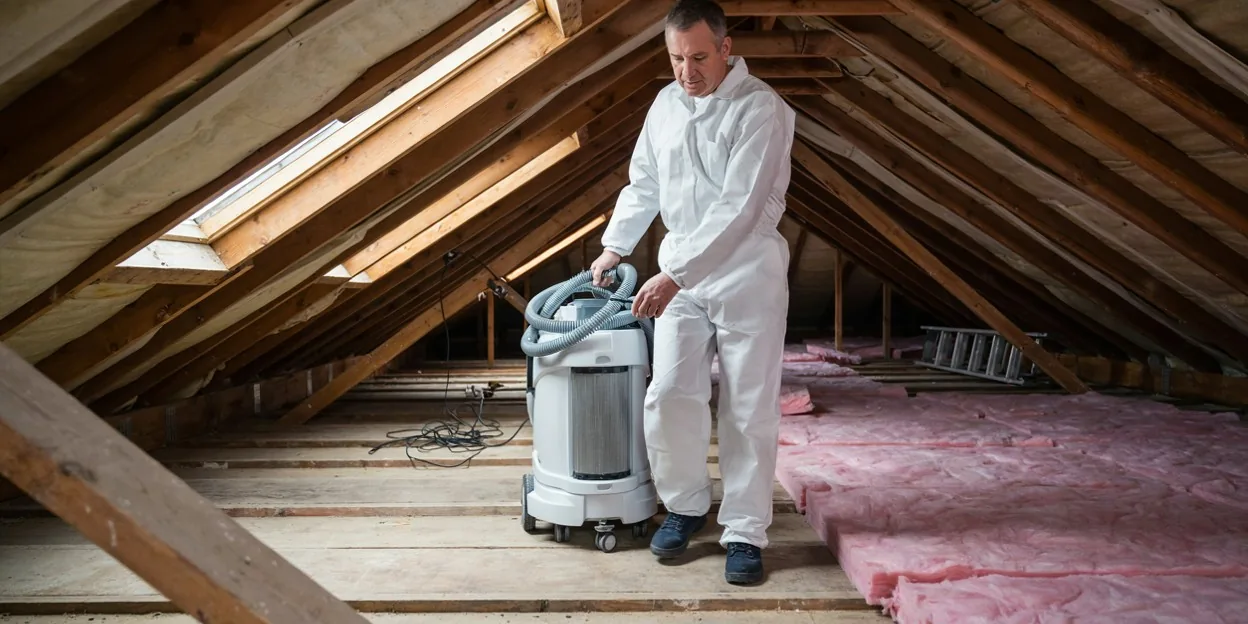
Valley Ranch occupies the north tip of Irving, between Las Colinas and the Coppell line, on land that was Elm Fork floodplain until the early 1980s. The developers built it the way Las Colinas was built, with canals and a levee system, and the Dallas Cowboys kept their headquarters here from 1985 until the move to Frisco in 2016. The houses are 1980s and 1990s brick two-stories on post-tension slabs, with attic air handlers, garden tubs, and water heaters in the garage.
Because Valley Ranch sits in reclaimed floodplain, its water is managed by a levee and pump system rather than by gravity, and the houses themselves stay dry from below. The mold here comes from above and inside: a condensate pan that overflows in August, a shower pan that cracks after thirty years, a water heater that weeps into the hallway wall, or an attic line that split in the 2021 freeze.
Valley Ranch homeowners who call this number are routed to one independent local provider who handles mold removal and remediation in north Irving. That company reads the house with a meter and writes the scope; our part ends when the call connects.
Valley Ranch mold removal in a 1993 two-story behind a levee
A hallway ceiling under an attic unit is HVAC mold cleaning. A soft baseboard on the wall behind the garage water heater is mold removal. A whole floor wet after a freeze-split line ran for days is whole-home mold remediation.
The district that keeps the canals where they belong
Irving Flood Control District Section III maintains the canals, ponds, and pump station that keep Valley Ranch above the Elm Fork, with a board appointed by the Irving City Council. The canals are an amenity because that district does its job.
Call (469) 652-8352 and tell us what overflowed or split. We put you through to an independent local mold provider serving Valley Ranch.
Services Available in Valley Ranch
Mold Removal
Growth on drywall after a slab leak, a water heater, or a washer line: room sealed, wet board cut to the meter mark, framing HEPA-cleaned and dried.
Black Mold Removal
A dark patch handled by how far the water traveled, not by its color: containment, porous material out, hard surfaces cleaned, leak fixed first.
Whole-Home Mold Remediation
A slab leak or a burst pipe that ran through several rooms, mapped wall by wall and cleared in zones as one planned project.
HVAC Mold Cleaning
Coil, drain pan, and condensate line cleaned or replaced when the attic air handler sweats through a 100-degree August.
Bathroom Mold Removal
Growth behind a vanity, under a shower pan, or on a ceiling with no fan, removed after the supply or drain leak is fixed.
Attic Mold Remediation
Growth on roof decking under hail-cracked shingles or around a sweating duct, cleaned and treated once the roof and insulation are handled.
Mold Odor Removal
A musty smell in a house that looks fine, traced to the wet pad under the floor or the cabinet back, then removed and treated.
Mold Damage Repair
Drywall, texture, baseboard, and cabinet bottoms put back after removal, once the slab reads dry and the leak is repaired.